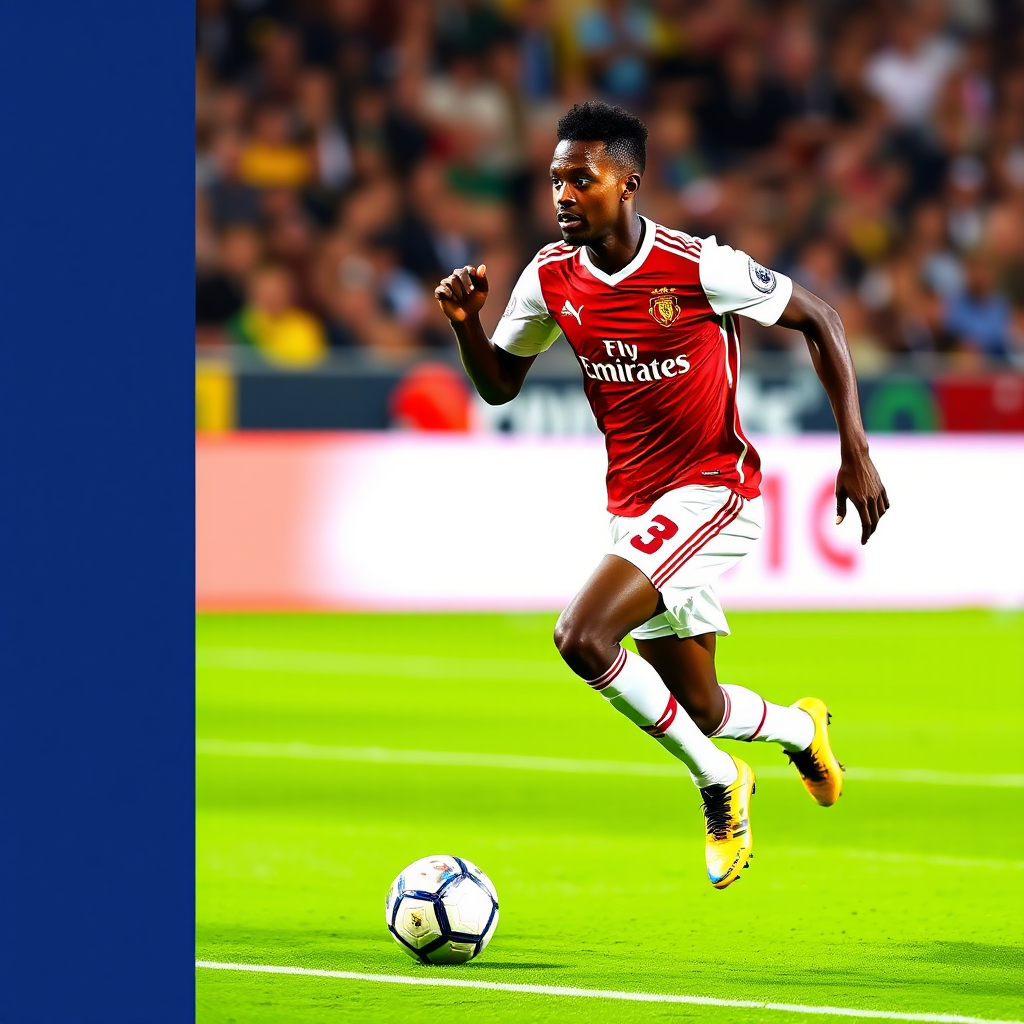
Football Crossing Zones and Back-Post Threats: A Practical Look at sin88z.jpn.com
You have probably watched a match where the left winger keeps turning his full-back inside out, yet the striker attacks the near post every single time. The cross finally arrives, the ball skims past a crowd of legs, and the far-post area stays completely empty. If you want to understand why those chances disappear, you need more than match highlights, you need a breakdown of crossing zones and back-post threats.
That is what drew me to tactical analysis published across the web, and eventually to a domain that keeps appearing in discussions about wide play: sin88z.jpn.com. I have spent many evenings reading match breakdowns, not betting slips, and what follows is a practical review from a reader who cares about positioning, delivery types and the defensive mistakes that create back-post chances.
What Football Fans Actually Look For
Most analysis sites fail because they describe what happened instead of why it happened. When you search for crossing zones, you want to know where dangerous crosses come from, how many are cutbacks versus lofted deliveries, and which defenders lose their man when the ball travels across the box. Back-post threats are even more specific. A winger can hit a perfect cross, but if nobody attacks the far stick, the chance is wasted.
Readers also want honesty. A tactical breakdown that admits a full-back was exposed or a centre-forward was out of position is far more useful than a piece that simply praises a team’s intensity. I have read enough formulaic match reports to know that real insight is rare. The best analysis also connects the dots to larger patterns: when a team overloads the left flank, the back post often becomes the release point for a second-phase attack.
 Hình minh hoạ: Sin88
What sin88z.jpn.com Presents at First Glance
Based on what is visible on the landing page, the site positions itself as a space for football analysis rather than a news portal. There is an evident focus on wide areas: crossing zones, full-back positioning and the movement of wingers. The domain is tied to has-putra.com in the registration records that appear in some lookup tools, though ownership can change quickly and you should verify that yourself if it matters to you. I cannot confirm exactly who runs the site, and you should not assume based on a domain name alone.
One thing I noticed is that the site’s traffic appears to have swung noticeably over time, if publicly available analytics estimates are even close. That does not mean the content is bad. It means you should check whether the articles you are reading are recent and whether the author tells you which matches or seasons the analysis applies to. A tactical breakdown of a 2022 match is still useful, as long as it is presented as history rather than a preview.
For readers who want context on wide play, the relationship between the tactical ideas and a commercial brand like Sin88 is worth understanding before you trust the text. The branding suggests some commercial connection, but the articles themselves, when they focus on crossing zones, often read like someone who has actually watched the games. That distinction matters because a well-written breakdown can still carry a hidden agenda.

A Reader’s Path Through the Site
The Landing Experience
The first test of any football analysis site is whether you can reach a real article without fighting through pop-ups. In the case of sin88z.jpn.com, the layout keeps things simple: categories for match analysis, tactical concepts and what appears to be a running log of wide-play observations. There was no sign-up wall in the basic breakdowns I read.
That is a big point in its favour. A reader should not have to create an account to learn why a right-back’s poor body shape leads to a back-post goal.
Registration and Account Friction
Whether registration is required depends on which section you enter. Some supplementary areas, especially anything resembling a comment system or a community forum, may ask for an email address. If you run into a login prompt, ask yourself what you are getting in return. Reading tactics should never require payment details, and no back-post analysis is valuable enough to justify handing over sensitive information.
If the site ever moves toward a paywall or a betting-linked service, treat that as a new decision point, not a default yes.
How the Crossing-Zone Analysis Reads
The strongest parts of the site, in my observation, are the breakdowns that separate crossing zones into thirds. Instead of saying “the winger crossed a lot”, the better pieces look at where the cross originated, whether the defender forced the play wide early, and where the striker actually made his run. Back-post threats are described in terms of overloads: two attackers attacking the far stick while the near-post decoy pulls the centre-back out of position. I have also seen pieces that mention goalkeeper positioning at the near post and why that leaves the far area exposed.
That kind of detail is what separates useful analysis from filler. There will always be references to “cutbacks”, “driven crosses” and “deep deliveries”, but the site earns credibility when it shows how those concepts interact. A good article will walk through a single sequence and show how one defensive step, like a centre-back stepping up too late, turns a low-risk cross into a back-post tap-in.
Support and Feedback Channels
Support is a weak area for most small analysis sites, and this one is no exception. There is no obvious live chat or phone number, which is normal. What matters is whether the site responds to comments or updates articles when a tactical prediction is proven wrong by a later match. Check the timestamp at the bottom of each piece. If an article about a Champions League match appears two weeks late, it is commentary, not analysis.

Risks, Verification and Responsible Reading
Any site that mixes football tactics with a brand that has commercial interests deserves scrutiny. Do not assume the analysis is accurate just because the writing is confident. There is no guarantee that a predicted crossing pattern will produce a goal, and any platform claiming otherwise should be avoided.
Here is a short verification checklist you can apply to any crossing-zone article:
- Check the teams and match date in the first paragraph. Vague openings often hide recycled content.
- Compare the claims to match footage. Did the back-post overload actually happen, or is the writer retrofitting a story?
- Look at the conclusion. Does it admit uncertainty, or does it promise a specific outcome?
- If the site links to betting offers, set a strict limit on your participation. No article can guarantee a result.
- Verify whether the page has been updated after major changes like a new manager or a key transfer.
Personally, I treat every tactical claim as a hypothesis. A site can help you see a pattern, but it cannot see the future. That is especially true for crossing zones, where one poor control or a slight change in wind can turn a well-designed routine into nothing.

Frequently Asked Questions
Do I need to create an account to read the tactical breakdowns?
Based on my browsing, the main articles are public. Any area that asks for registration is likely tied to extra features, and you should check what data it collects before joining.
How often does the site publish new crossing-zone analysis?
There is no fixed schedule that I can confirm. Check the homepage or the latest articles section to see whether the site is active or dormant. Traffic swings do not necessarily mean poor content, but they can mean irregular updates.
Can this analysis help me with football betting?
No article about crossing zones should be used as a betting tip. Use it to understand the game better, set a bankroll limit before any bet, and never chase losses. Responsible participation is the only sensible approach.
The Bottom Line: A Conditional Verdict
If you are the kind of reader who watches a game and pauses to ask why the left-back was isolated against a fast winger, sin88z.jpn.com has material that can sharpen your eye for back-post threats. The crossing-zone breakdowns show real tactical thinking, and the site does not bury you in ads, at least not in the sections I visited. For a casual fan who just wants to appreciate why a full-back pushes high and leaves space behind, it also works as a solid primer.
If, however, you expect reliable customer support, a clean ownership trail, or a guarantee that every observation will hold up in the next match, you will be disappointed. That is why the verdict is conditional: read the site with a critical eye, verify its claims against actual footage, and treat its analysis as a starting point rather than a final answer. On that basis, it earns a bookmark. On any other basis, you are better off watching the game yourself and taking notes.